From 800G to 1.6T, and onward to 3.2T: We support next-generation data communication infrastructure through TECs, thermistors, and DPC substrates, catering to the optical transceiver market's shift toward higher speeds and greater density.
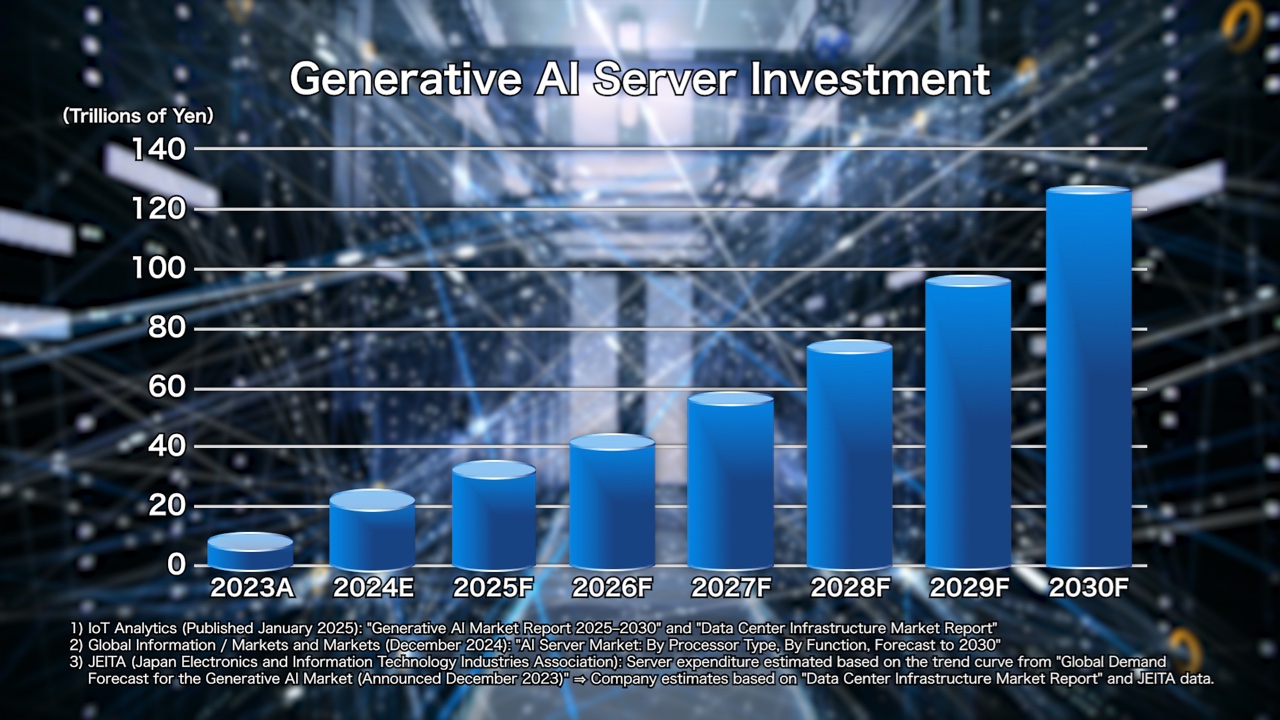
Generative AI has evolved into a new form of infrastructure supporting our daily lives and businesses, with investments in generative AI servers projected to reach a scale of 100 trillion yen by 2030.
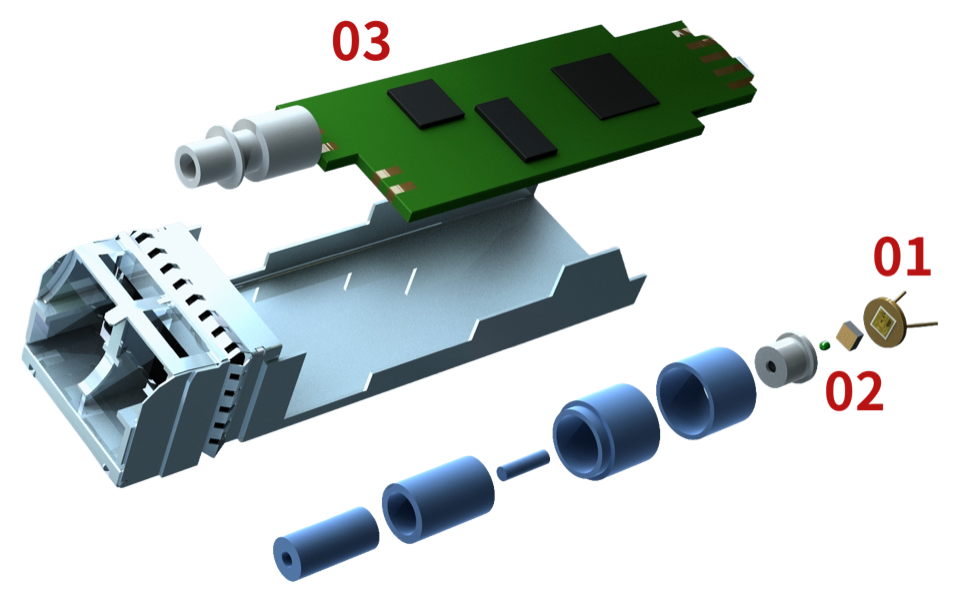
AI data centers currently construct "GPU clusters" by connecting thousands to tens of thousands of GPUs in parallel, utilizing "optical transceivers" for inter-GPU communication. Even if individual GPUs possess high computing speeds, the system's overall performance suffers if data exchange between them is slow; consequently, the optical transceivers facilitating this exchange are regarded as critical components that determine the performance of the entire AI system.
The communication capacity of optical transceivers is currently expanding. In addition to the mainstream 800 Gbps models, 1.6 Tbps models are being rolled out in earnest in 2026, and development is already underway for 3.2 Tbps models—which offer double that capacity.
We would like to introduce our products, which address the "thermal issues" affecting communication quality in the optical transceivers that power generative AI.
Click to enlarge
We support high-speed optical communications through temperature control, temperature sensing, and mounting reliability, utilizing TECs, thermistors, and DPC substrates.
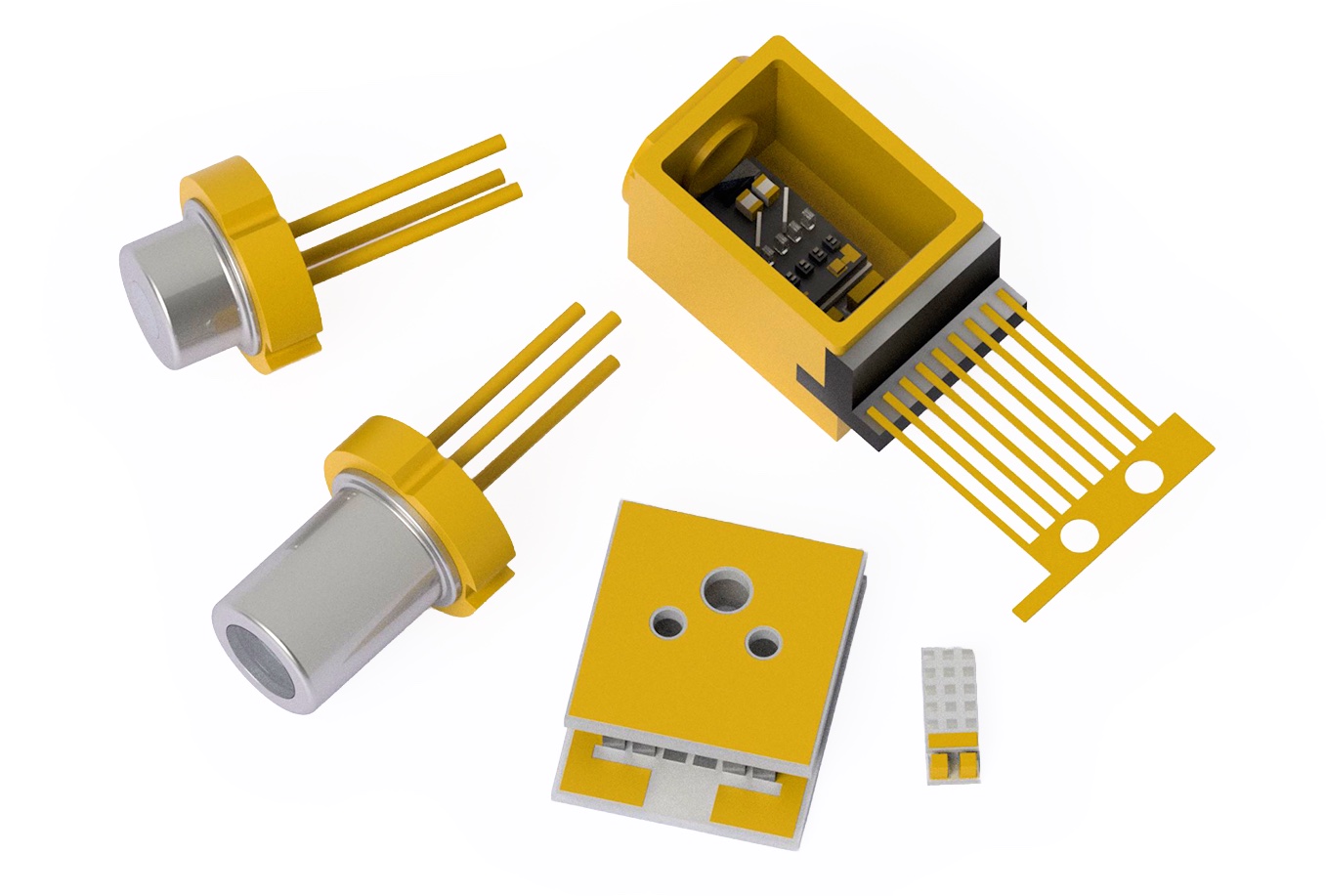
A thermal module (Peltier element) is a thermoelectric device that utilizes the Peltier effect; passing a direct current through it causes cooling on one side and heating on the other. Reversing the direction of the current swaps the cooling and heating sides, allowing for flexible temperature control.
Inside optical transceivers, heat is generated when the laser diode—which converts electrical signals into optical signals—operates. To dissipate this heat, a compact thermal module known as a "micro-module" is incorporated into the device.
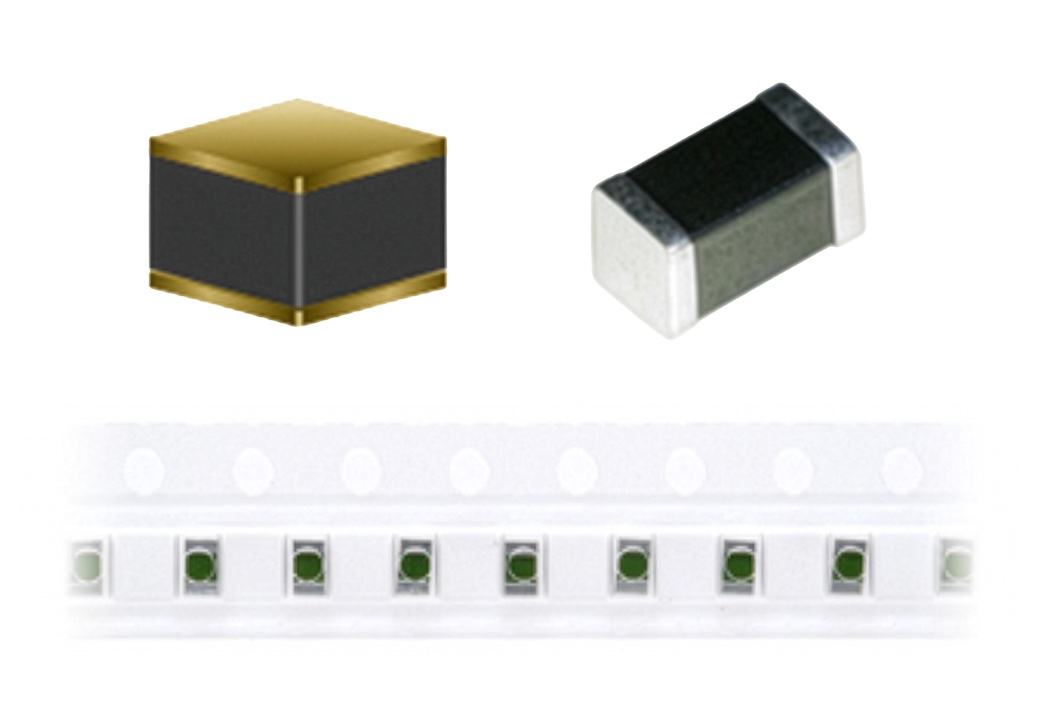
A thermistor is a component whose resistance changes with temperature, or a temperature sensor utilizing such a component. In optical transceivers, thermistors are incorporated to detect heat generated by laser diodes. Three types—NBC, NSS, and NSM—are available, allowing you to select the most suitable option for your specific requirements.
Our thermistors originated in applications for submarine cables and are now widely adopted across sectors ranging from telecommunications to data centers.
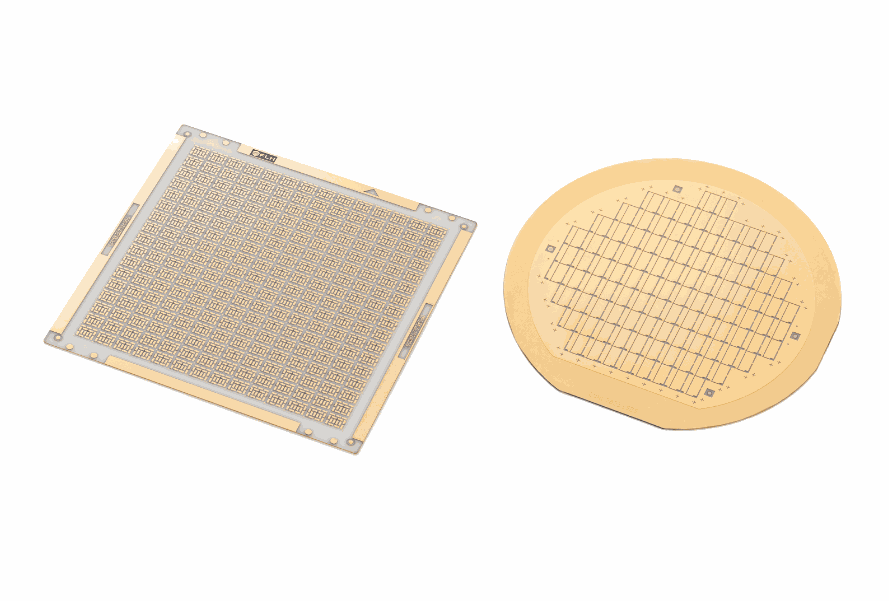
DPC (Direct Plated Copper) substrates are products featuring high-precision copper circuit patterns formed on ceramic substrates using an electrolytic plating process. They are used in applications such as optical communications, high-power semiconductor lasers, high-power LEDs, and LiDAR.
Silicon nitride-based DPC substrates are attracting attention as next-generation substrates capable of addressing rising thermal management challenges. They are particularly well-suited for optical transceivers due to their high heat resistance and the ability to form fine, high-density wiring patterns on their thin copper layers.
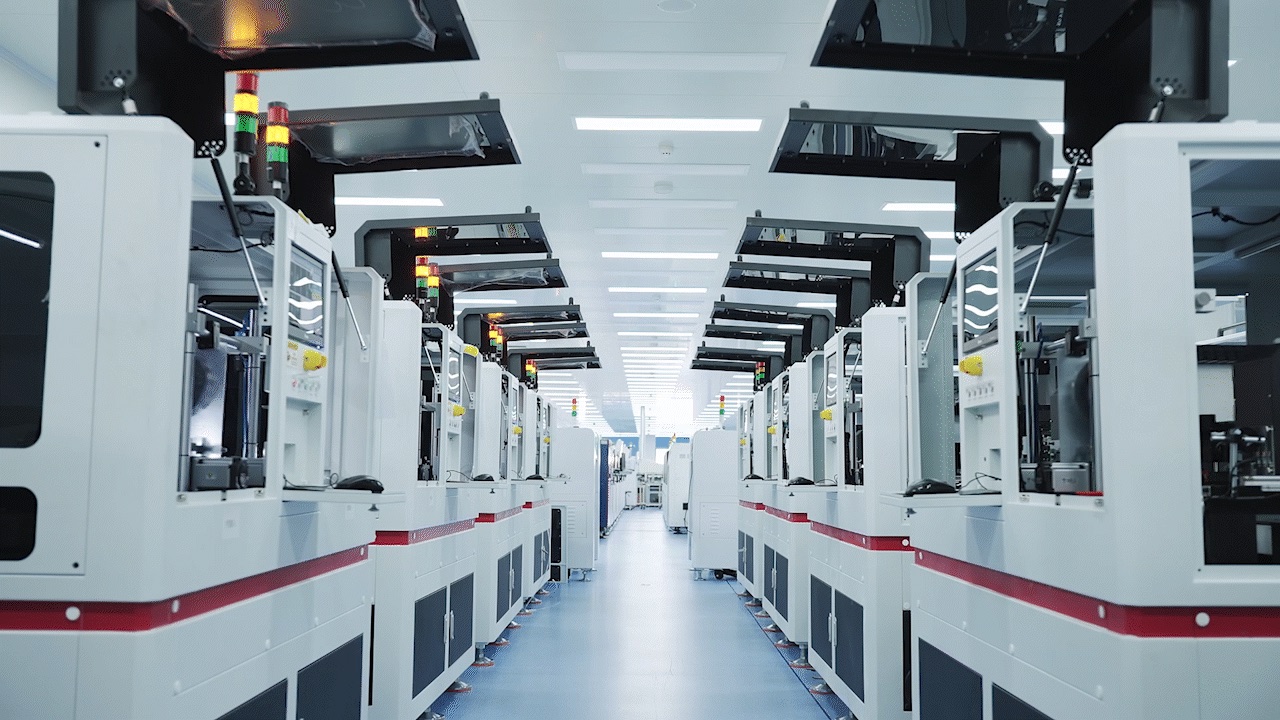
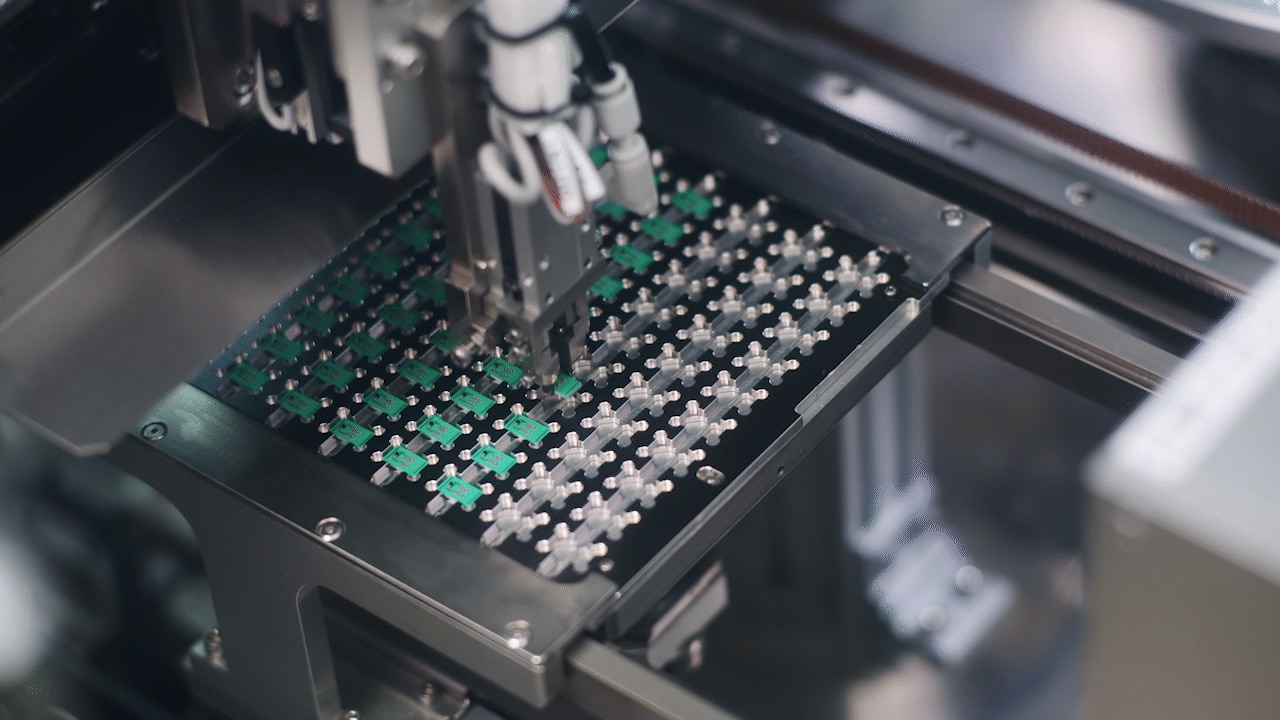
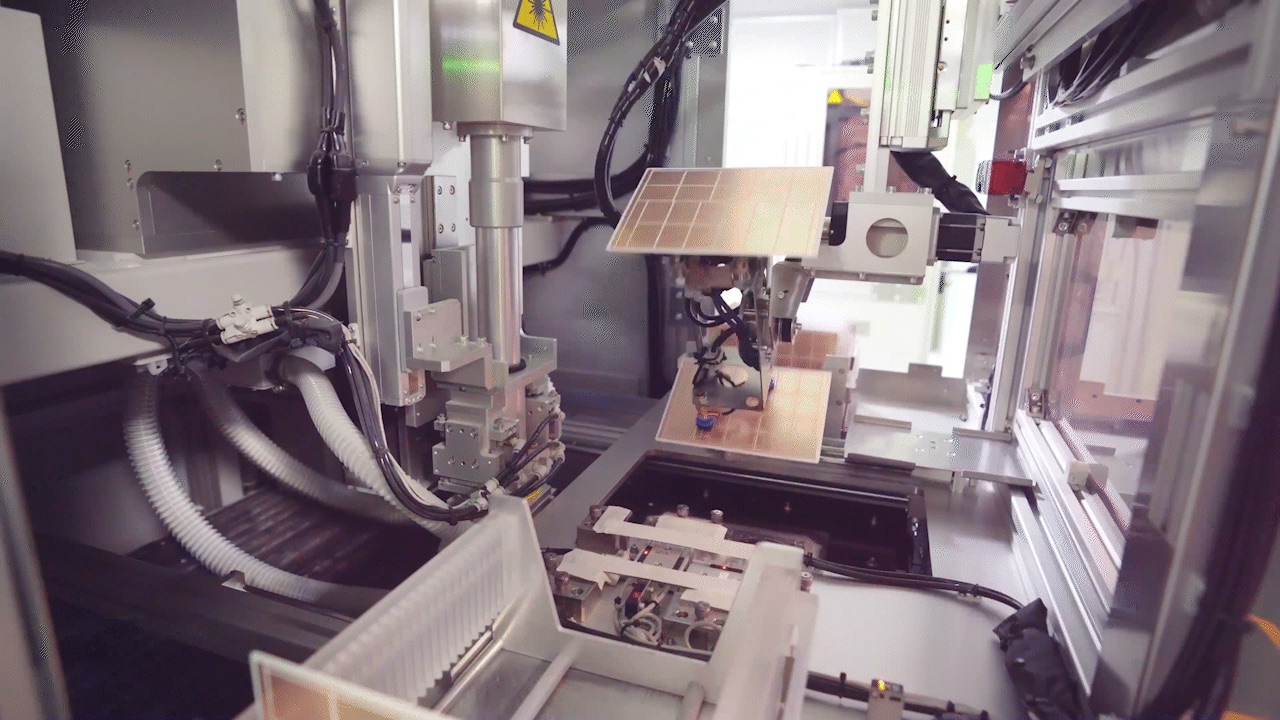
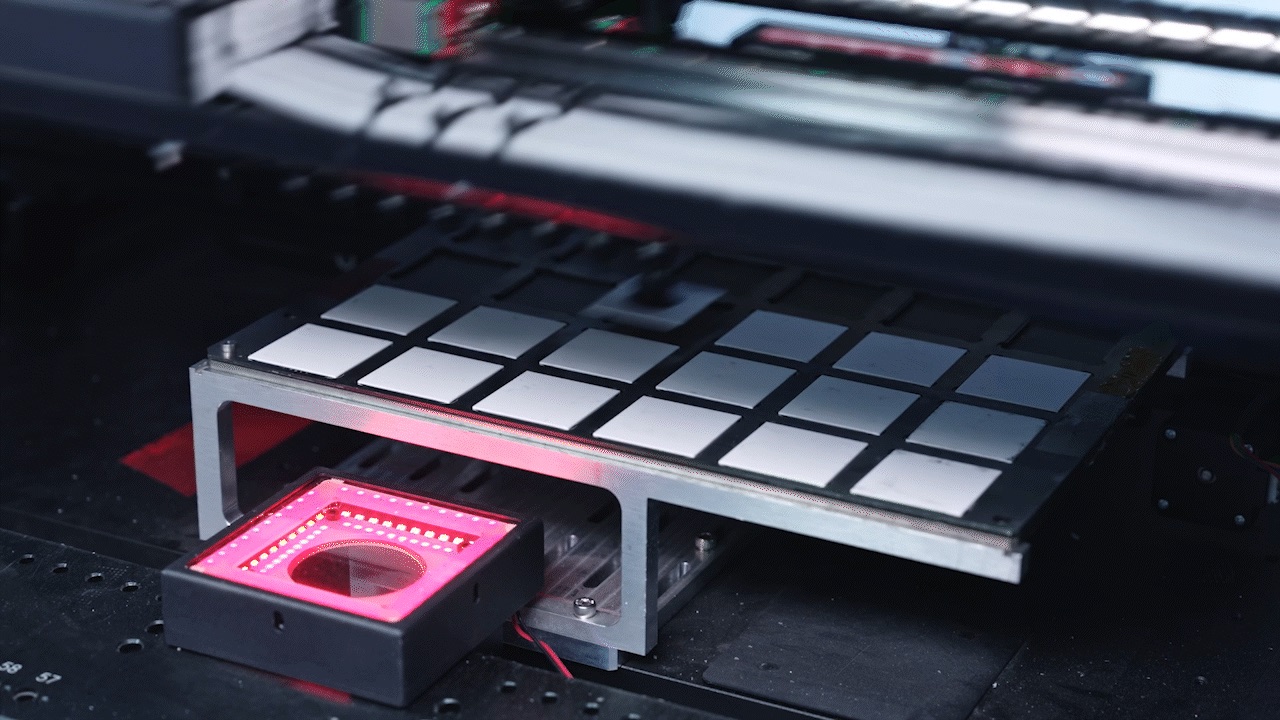
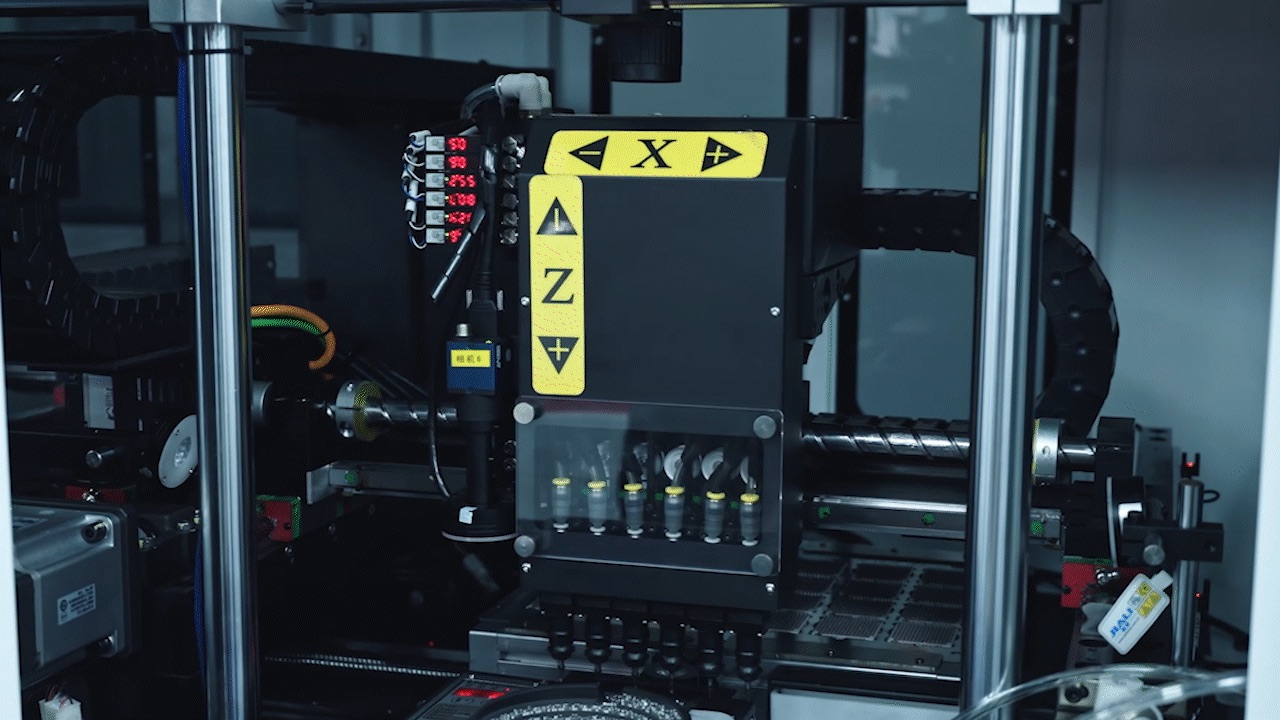
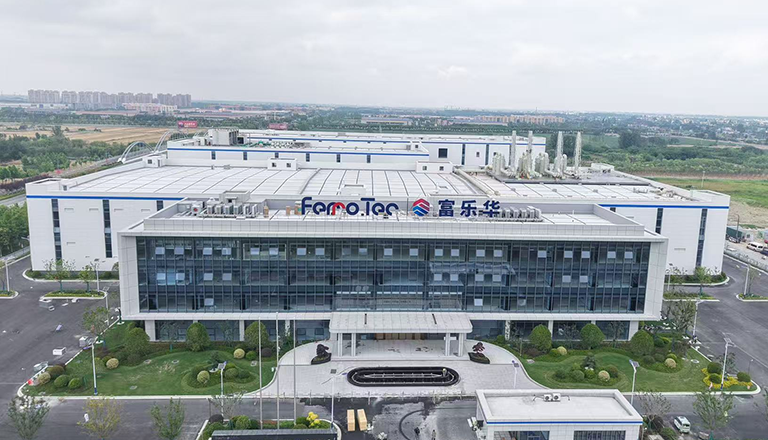
・We are aggressively pursuing the automation of our production processes, establishing a system that enables fully automated operations—spanning from material intake and processing to transport, in-process and final inspections, packaging, and shipment.
・We also recognize our mass production capabilities as a major strength. We supply products in a timely and appropriate manner to meet high-volume demands while satisfying rigorous quality requirements; we believe this is a key reason why customers choose us, particularly during periods of rapid demand growth for optical transceivers.
・We supply products to some of the world's leading optical transceiver manufacturers, earning high acclaim for our performance and reliability. We hold a significant share of business with these manufacturers—particularly for Thermoelectric Coolers (TECs) used in laser diode cooling—capturing approximately 70% of the market (based on our own research).
・Furthermore, we collaborate with these manufacturers on the technical front, providing support to resolve thermal management challenges for next-generation products.
To keep pace with the growth of the high-speed optical transceiver market, we are enhancing our production capacity and automating our manufacturing processes. We are building a supply system that supports next-generation communication infrastructure by ensuring both stable supply and rigorous quality control.

・As the adoption of generative AI advances and its infrastructure expands, the power consumption of AI data centers continues to rise. Consequently, securing power supplies and achieving greater energy efficiency have become critical challenges. For instance, while power is currently supplied via standard grids, options such as shifting to higher voltages and direct current (DC) systems—moving from the current AC (45V) to DC (400V) or DC (800V)—and utilizing dedicated power sources (such as onsite power plants) are being considered.
・These developments present business opportunities for our company.
-The use of power semiconductor units capable of managing high-capacity electricity is anticipated, creating significant potential for the adoption of our "AMB substrates" and "DAB (Direct Aluminum Bonded) substrates."
-Furthermore, the shift toward higher voltages and DC systems in data centers is driving keen interest in Solid-state Transformers (SSTs) for voltage control (such as step-down conversion and direct DC output); our "DPC substrates" are well-positioned to play a key role in this area.
・Addressing thermal management issues remains a major challenge, so we expect increased adoption of components such as thermistors for temperature sensing and silicon nitride substrates, which offer excellent heat resistance.
Ferrotec remains committed to supporting the accelerating growth of generative AI by leveraging our stable supply capabilities and our portfolio of electronic device products designed to solve thermal management and energy efficiency challenges.
Links to product information, IR information, and Group initiatives.